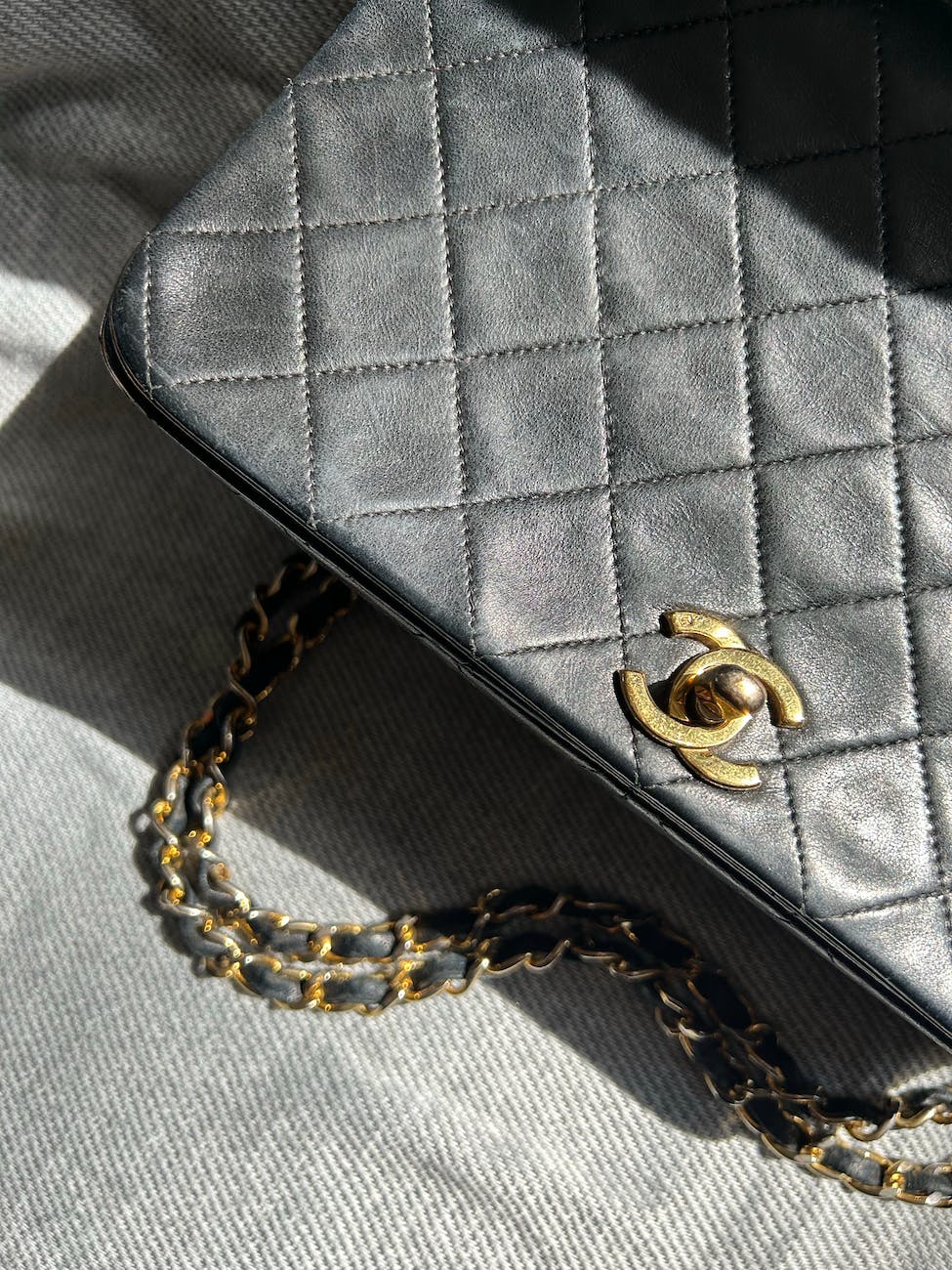
With increasing consumer awareness of both the ethical implications and the environmental impact that our fashion habits have on our planet and its inhabitants, interest in secondhand shopping has exploded in the last decade. Companies including The RealReal, Vestaire Collective and Rebagg, allow consumers to shop designer clothing at deep discounts, sell unwanted or ill-fitting clothing and track down discontinued items, all the while reducing their carbon footprint. As resale becomes the norm, demand is only expected to grow, and estimates put the value of the circular fashion industry at a staggering $700 billion industry by 2030.
It stands to reason that as we increase our consumption of secondhand clothing, we reduce our purchases of brand-new items of fashion. So far, so good. Unless that is, you are a designer brand whose business model is reliant on the idea of overconsumption and accelerated trend cycles. The rise in resale has also come at a time when the luxury market as a whole is experiencing soft demand as consumers cut back on discretionary spending amidst high inflation and rising interest rates.
So, what’s a designer brand to do? Some, like Gucci, have opted to collaborate in a business move reminiscent of those early noughties’ designer x high street collaborations which saw fast fashion giants H&M and Topshop produce collections with high end designers like Lanvin’s Elber Elbaz. Like Gucci, both Stella McCartney and Burberry have previously collaborated with The RealReal, hoping to convince customers that they can recoup some of the value of luxury items by consigning them. Those customers, they hoped, would be more motivated to buy new goods if a strong resale value was attached.
Other brands are not so happy. It will come as little surprise that Chanel, a brand for which exclusivity is so ingrained in its DNA that it doesn’t even sell its clothes and accessories online, is not in favour of its products being hawked by resale merchants. And in what’s one of the most watched fashion lawsuits of the decade, Chanel is currently battling it out in a New York court room with pre-owned luxury retailer What Goes Around Comes Around (WGACA)
But for what, I hear you ask? Surely selling secondhand clothing is a perfectly legal enterprise? Well, not if you are in breach of intellectual property laws, claims the luxury French label,
The brand alleges that WGACA has been selling counterfeit bags associated with stolen serial numbers that Chanel had voided; has sold counterfeit bags with features not corresponding to authentic ones with legitimate serial numbers; and selling non-genuine Chanel items that were not made for sale by the brand, such as display-only items. They also claim that WGACA have been misleading consumers into believing that Chanel is directly affiliated with WGACA rather than simply referring to the Chanel trademark to identify it as the manufacturer of a product that it legally sells. In summary judgement it was noted that WGACA had run a promotion celebrating Coco Chanel’s birthday. It also used several Coco Chanel quotes on its social media platforms including “Simplicity is the keynote of all elegance” which Chanel claims was to create the impression that WGACA is a partner or affiliate of Chanel or an authorized or approved retailer or distributor of Chanel products. According to Vogue Business, if found guilty, WGACA could face up to $23.2 million in damages for violations from 2014 to 2022.
“Chanel is committed to protecting its brand and consumers against counterfeits of its intellectual property that are harmful to the brand,” a Chanel spokesperson said in a statement. “Chanel will continue to litigate its remaining claims and damages.”
The federal jury trial will have major implications for the luxury resale landscape and will hopefully bring some much-needed clarity on who’s responsible when counterfeit goods end up in second-hand retail, as well as how resellers can promote the brands they carry. More to come!




 Wigs And Gowns
Leave a comment