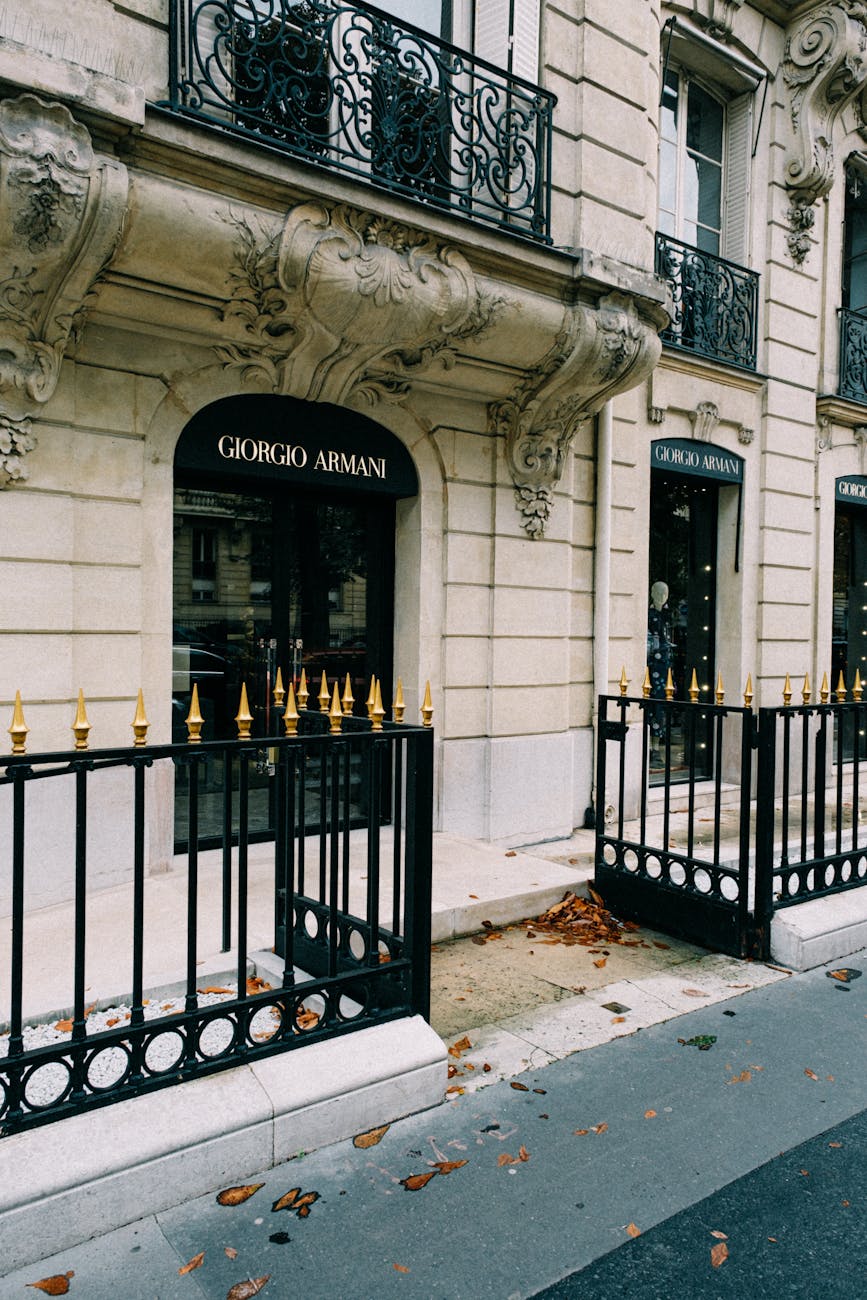
An Italian court has ended the special administration imposed on a unit of the Armani fashion group over labour abuses in its supply chain. Giorgio Armani Operation, a subsidiary of the Armani Group, was last year placed under judicial administration over the indirect exploitation of workers at one of its sub contractors.
According to a statement released by the Milan court, the company has now adopted the required organisational model and supplier control procedures.
In February 2024, it was discovered that Giorgio Armani Operations had outsourced the production of bags, belts and leather goods to two firms which in turn subcontracted the work to four Chinese companies on the outskirts of Milan. Workers for these companies were paid just 2-3 euro an hour, working seven days a week to make these goods. The goods were reportedly then sold to Armani’s subcontractors for 93 euros, before being re-sold to Armani for 250 euros. The market price paid by consumers for bags produced, was 1800 euro. The workers, mostly Chinese and Pakistani migrants, were forced to eat and sleep in the factories in degrading conditions. Cooking pots were stored in a filthy bathroom and, shockingly, the workers were required to use machinery with safety devices that had been “purposely and maliciously removed”.
The subcontracting and exploitation of workers went on from 2017 until February 2024, when police raided the workshops and discovered the Armani branded products. The investigation leading to the judgement was part of a wider sting operated by the Milan public prosecutors’ office, which has for years been investigating the exploitation of workers employed by sub-contractors who were used by large groups in the Italian fashion industry.
Historically, the ‘Made in Italy’ merchandise mark has been a signifier of quality and prestige but a series of reports coming from Milan about the use of unskilled labour and the exploitation of workers in filthy, unsafe factories has cast a dark shadow over it. In June 2024, Christian Dior was been found to have similar labour abuses in its supply chain. According to the court’s ruling, Manufactures Dior SRL, an Italian subsidiary of the French fashion house did not take “appropriate measures to verify the actual working conditions or the technical capabilities of the contracting companies.”
Abuse of labour laws in the fashion industry is well documented – it has been estimated that of the 75 million factory workers around the world, less than three percent earn a living wage – but such violations are more usually associated with counterfeits and fast fashion labels. The factories are commonly located in South East Asia. That such violations and abuses were occurring in Italy, just miles from the Armani headquarters, served as a wakeup call for the fashion industry and consumers alike



 Wigs And Gowns
Leave a comment