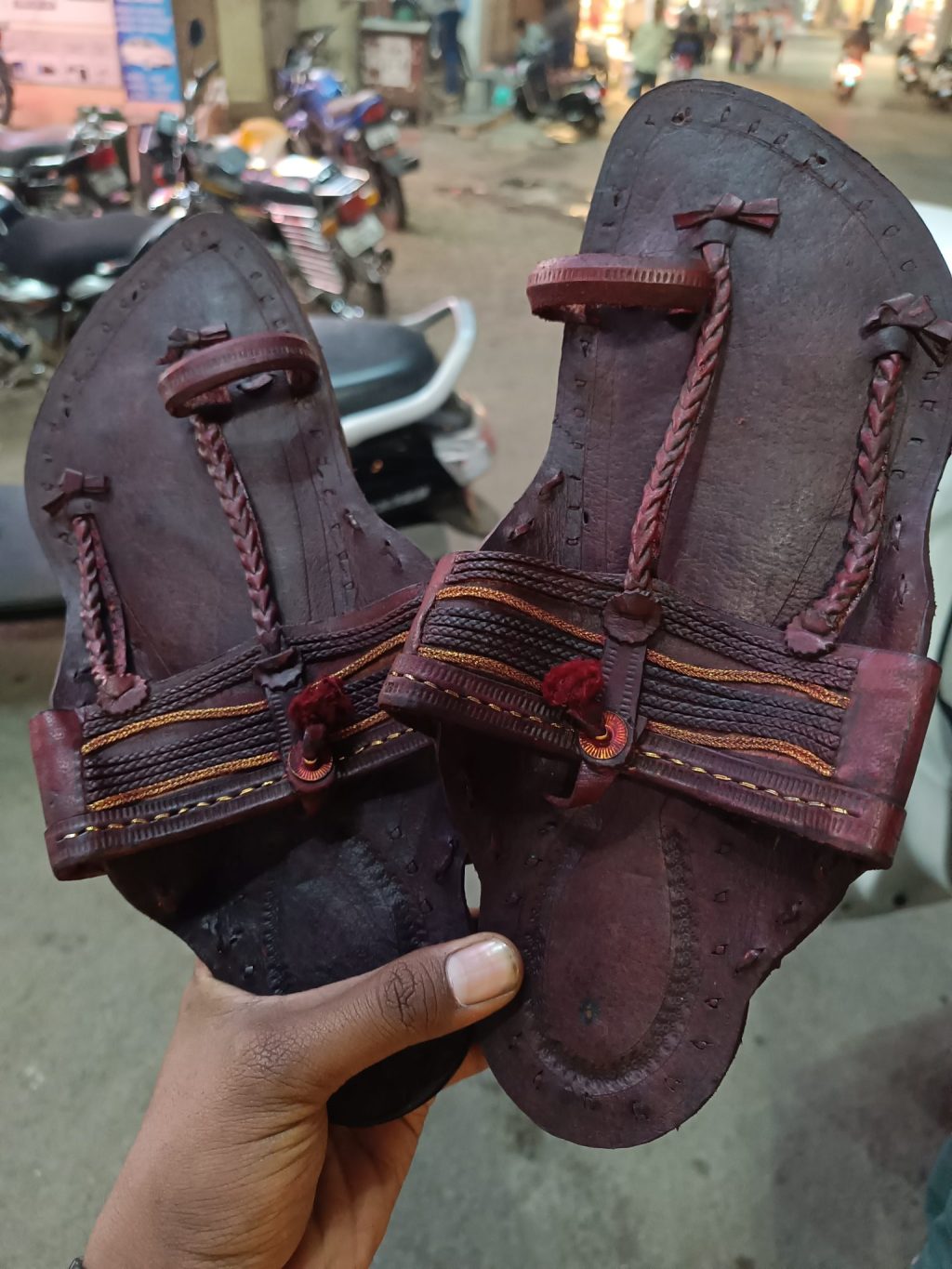
Prada have announced a limited-edition collection of sandals inspired by India’s traditional sandal footwear
The move is presumably a response to the criticism it received back in July, when it showed a range of sandals, closely resembling Kolhapuri Chappals -12th-century Indian footwear – at its Milan fashion show. The Italian company did not credit or acknowledge the origin of the sandals and subsequently faced allegations of cultural appropriation from Indian designers and artisans.
Prada admitted that it had been inspired by ancient Indian styles and has now announced plans to create 2,000 pairs of the sandals in the Indian regions of Maharashtra and Karnataka, according to Reuters. The ‘Made in India’ sandals will sell for approximately €800 – a somewhat elevated price from the €8 that traditional sandals can be found at in Indian markets.
“We’ll mix the original manufacturer’s standard capabilities with our manufacturing techniques”, a Prada executive told Reuters in an interview.
Cultural appropriation – the adoption of the customs, practices, or ideas of one society by a member of another – is not a new issue nor is it unique to Prada. The phrase first appeared in print in 1945, in an essay by Arthur E. Christy who was writing about ‘European cultural appropriation from the Orient, but the practice of dominant cultures adopting and exploiting the culture of marginalized ones can be traced back hundreds if not thousands of years. However, it has been in the last fifty years that the problem has gained prominence in the worlds of music and fashion where the matter of large companies profiteering from cultural traditions is rife. Multiple luxury fashion brands including Gucci and Dolce & Gabbana have been forced to apologize and pull products and advertising campaigns over accusations of appropriation.
The collection will become available for sale in February 2026 in Prada stores across the globe.




 Wigs And Gowns
Leave a comment