A turbulent geo-political landscape and continued concern over the cost of living has shoppers looking to cut back on our Christmas spend this year. And, according to adverts stalking me across the internet, there’s a host of websites and online marketplaces that can help me save on everything from aftershave to Labubu dolls as I fight to keep my bank balance in check. Many of the discounts offered, however, seem just too good to be true.
The past decade has seen an explosion in counterfeit products as a host of new online marketplaces have entered Europe, providing an easy outlet for purveyors of fake goods to hawk their wares. According to a joint report by the European Commission (EC)and the EU Intellectual Property Office, over 152 million counterfeit items worth an estimated €3.4 billion were seized in the EU in 2023, up an eyewatering 77% on 2022 figures.
Counterfeits are illegal but are often regarded as a victimless crime. While trademark infringement and copyright infringement are undoubtedly problematic, it’s difficult to feel much sympathy for faceless global brands who complain about copycats, particularly ones whose price increases far outstrip inflation and appear contemporaneous with a decline in quality. But the problems with counterfeits go beyond matters of intellectual property law. Production of counterfeit products are habitually linked to slave and child labour and the health and safety standards of these products are non-existent.
Last year, the European Commission launched a formal investigation into Temu to determine whether the fast fashion retail platform violated the Digital Services Act by allowing the sale of illegal products on the platform. The investigation comes in the wake of numerous lawsuits filed in the US over the proliferation of copycat designs and counterfeits on the platform and accusations that it does little to discourage sellers of illegal goods.
The rise in influencer culture and the promotion of knockoffs on social media are undoubtedly contributory factors to their rise in popularity, but copycats are by no means a new phenomenon. Counterfeits have existed since ancient times, when the practice of artisans replicating luxury goods and selling them at marked down prices in markets was so prevalent that the Roman government passed laws prohibiting it. Today, Christmas markets are still used by counterfeiters to lure unsuspecting consumers into purchasing knockoff products.
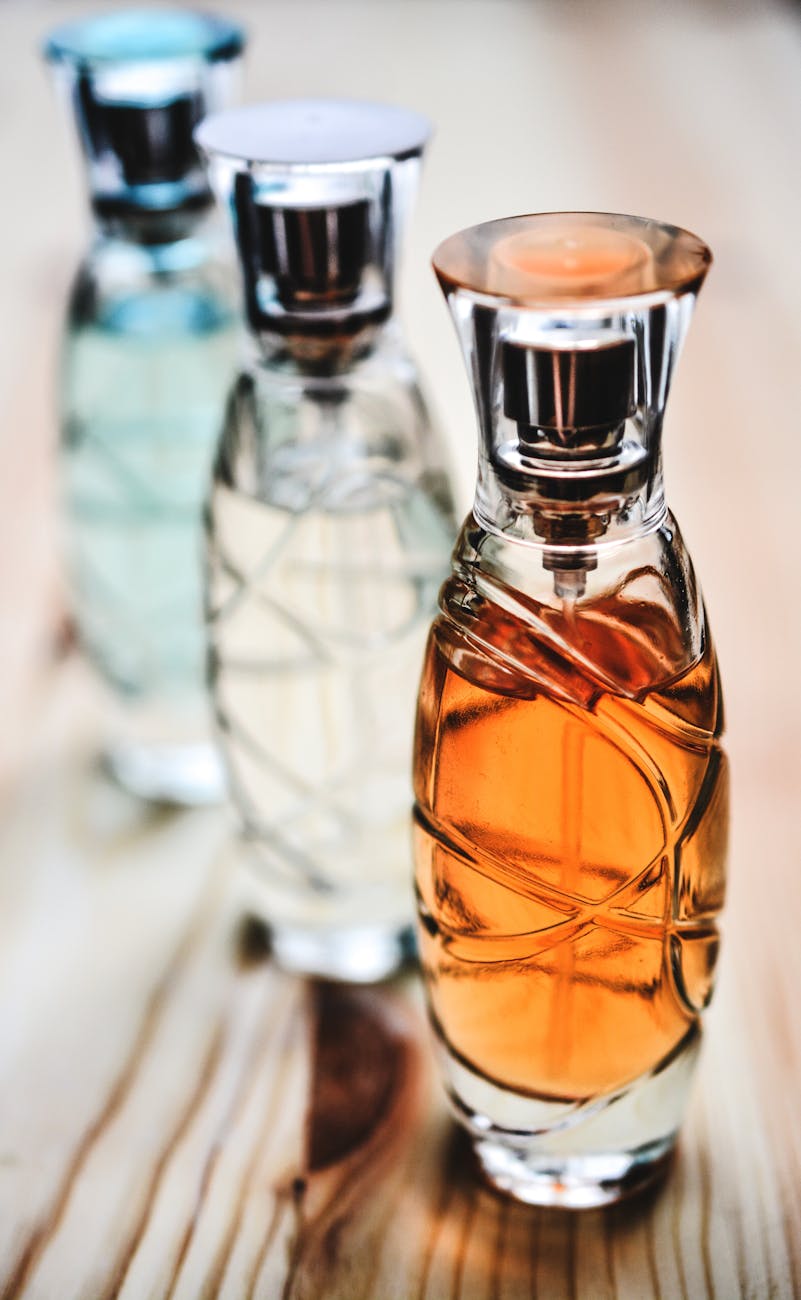
Advances in technology mean counterfeits can be almost impossible to distinguish from genuine products. Walking through a city centre market last week, I noticed a bottle of Dior J’adore perfume selling at approximately half the price for which it retails at in department stores. The scent was remarkably similar to the original but on closer inspection, its colour was a shade off and the box felt flimsy -rather than the thick, glossy and embossed packaging associated with Dior, this was made from thin and dull, matchbox like cardboard.
For most of us, subpar packaging is hardly a deal breaker– especially when the price is significantly less -but it’s the quality, health and safety issues where the real differences lie. Counterfeit cosmetics are of particular concern as they frequently contain cancer-causing ingredients including beryllium and arsenic as well as lead, which can cause kidney failure and, in high enough doses, death. Knockoff perfumes, like that fake Dior, are routinely filled with urine to get the yellow colour associated with authentic perfumes.
Other market stands featured counterfeit clothing and jewellery, which are commonly treated with toxic dyes and chemicals. Canada Goose, a favoured brand of teenagers, despite its €1000 price range, is another popular target for knockoff merchants. Lawsuits taken by the brand reveal that counterfeit jackets are being made using feather mulch and other fillers, often coated in bacteria, fungus, and even faeces. And because they don’t use down or fur, they don’t provide the warmth and protection to those who wear them in extreme weather expeditions which was what Canada Goose jackets were originally designed for.
Disgusting and dangerous as chemical and urine laced cosmetics and clothing are, it’s the sale of counterfeit toys that are causing authorities the most concern in the run up to Christmas, with many containing banned chemicals and posing choking and fire hazards. Within the EU, the design, production and sale of toys and games must comply with strict rules to protect health and safety, but when a toy is purchased online and shipped directly to a consumer, it generally does not get inspected before it’s delivered. These legal loopholes have allowed sellers from outside the EU to sell via online marketplaces and remain unaccountable for any negative consequences. Sellers can vanish from online platforms with the click of a button and, even if it was possible to trace them, supply chains will often lead back to criminal enterprises operating out of China and Southeast Asia.
Last month, the EU Customs Authorities reported a major seizure of counterfeit children’s toys, which can pose a real safety risk for children – sharp metal edges and small parts that can cause choking.
For those still undeterred – almost 50 per cent of 15 to 24-year-olds in Ireland believe that it is acceptable to buy phony products if the price of the original is too high – fines that potentially wipe out any savings made may go some way to discourage the purchase of knockoffs. Ahead of the Olympics in France last year, warning notices appeared in airports informing consumers that they could face penalties of up to €300,000 and three-years imprisonment if they were found buying or wearing counterfeits. A harsh punishment no doubt, but one that may prove an effective strategy in the war on fakes.
.


 Wigs And Gowns
Leave a comment